Spiders
Safe, eco-friendly treatments to remove spiders and prevent future infestations
Scientific Name
Class Arachnida
General Appearance
Spiders are most easily identified by their 8 legs. They have two body sections and no wings or antennae.


How Serious Are Spider Bites?
While most spiders are harmless, some can deliver serious bites. In the US, two species can be particularly harmful to humans. These are the Black Widow and the Brown Recluse. Black Widows can be identified by a red hourglass shape on the underside of their abdomen. Brown Recluse spiders are sandy brown with a dark brown marking on their bodies. They also have long uniformly-colored brown legs.


Many species of spiders prefer moisture, so they often settle in basements, crawl spaces, or other damp places. Others like dry heat and will retreat to air vents, upper corners of rooms, or attics to make their home.
Spiders feed almost exclusively on insects and smaller spiders. Because their mouthparts are usually extremely small, they rely on digestive enzymes in their saliva to break down their prey before eating it.
During mating, males conduct elaborate dances to attract a mate. Depending on the species, between 20 to 100 spiderlings emerge from the female’s egg sac, although not all will survive. Spiderlings will continually molt through their adolescence to eventually develop into a fully-grown adult.
Bug Bombs For Spiders
Bug bombs may be a popular remedy for many pests and insects, but they are not an effective treatment for spiders. In practice, most of the powder from the bug bomb ends up settling on floors or countertops instead of reaching the cracks and crevices where spiders usually dwell. The residue that remains after a bug bomb can have damaging effects on the respiratory system. Furthermore, the active ingredient in most bug bombs is targeted for arthropods and has little to no effect on arachnids. Rather than killing the spiders, at best they just act as a repellent and drive the spiders to a different part of your home.

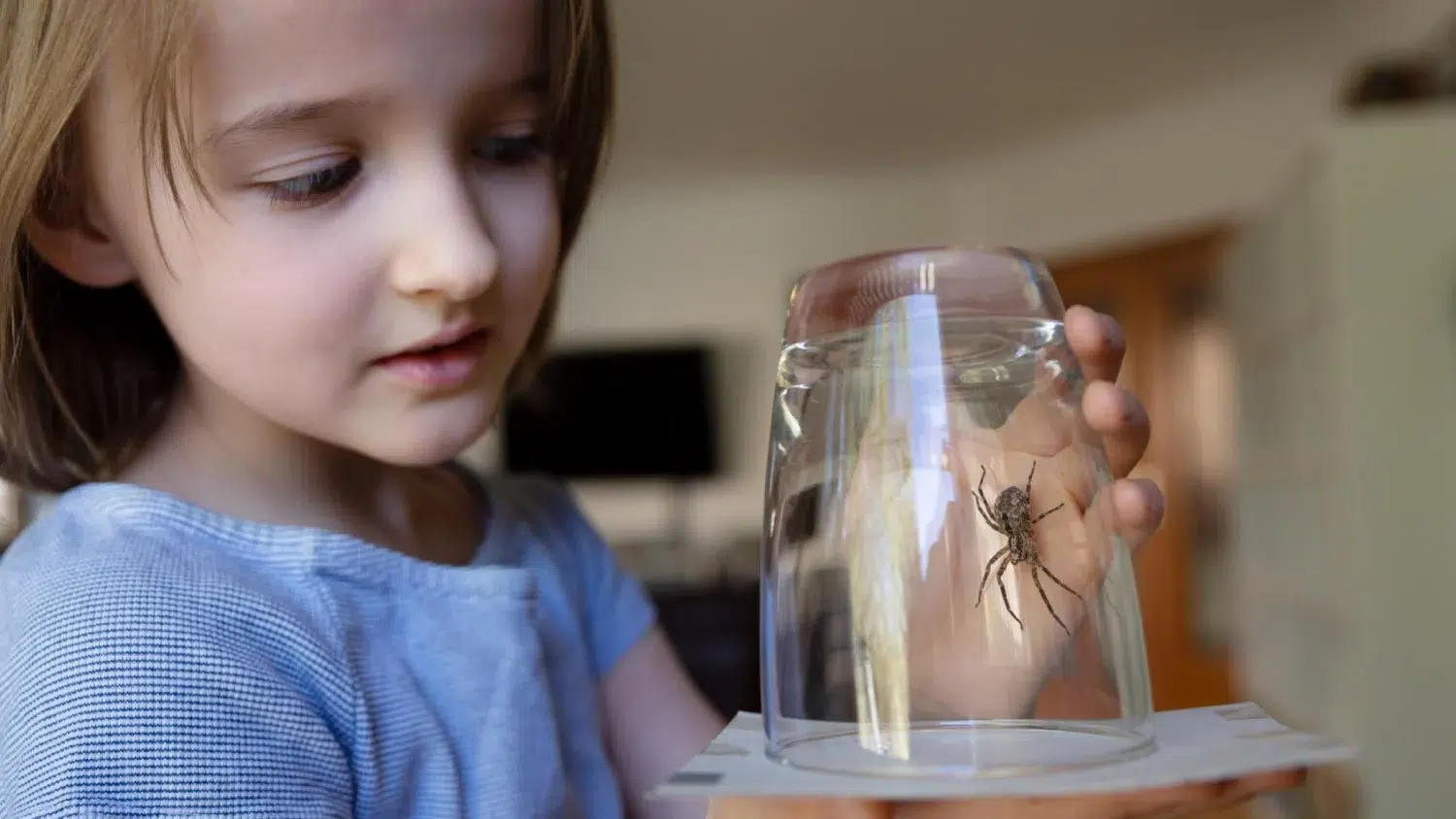
Every situation is different, so each home requires a uniquely-designed treatment plan. Unfortunately, there is no one-time treatment that will keep spiders out of your home forever. Instead, an ongoing process must be put in place to continually monitor the situation.
Spiders produce strong adhesive silk which they use to construct webs, wrap prey, or make egg sacs. Spider webs vary in size and shape depending on the species, and some prefer to live in burrows or small crevices rather than on a web.


Spider Prevention
The key to eliminating spiders from your home is removing their hiding places. Here are some things you can do:


Widow spider bites impact the nervous system, causing cramps, sweating, nausea, and abdominal pain often mistaken for appendicitis. Common U.S. species include Black, Brown, and Red Widow spiders.
Violin spider bites cause tissue damage, pain, and skin lesions. Sometimes anemia, fever, or vomiting may occur. Common species include the Brown Recluse and Hobo Spider, with painful but less severe symptoms.
Orb Weaver, Wolf, Jumping, Funnel Web, Tarantula, and Crab Spiders may bite, causing brief pain and mild reactions. Their bites are less dangerous than Widow or Violin spiders and rarely serious.
Spider Bites
There are over 30,000 known spider species worldwide, ranging from ¼” to 7” in length. Most are harmless and play a vital ecological role by controlling insect populations like mosquitoes and moths. Although some species can pose medical risks, the majority lack the ability to pierce human skin. Additionally, inhaling spider hairs, webs, or other airborne particles can sometimes affect individuals with allergies or respiratory sensitivities.

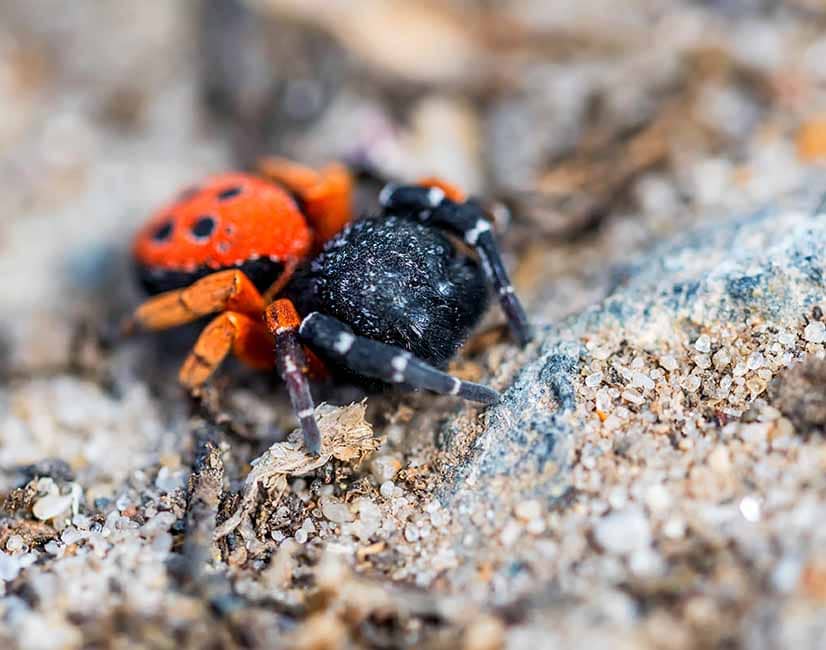
Most Common Spiders In The United States That Bite Humans
The following is a list of spiders in the US that have been known to bite humans. None of these spiders are known to be very aggressive. Widow and Recluse Spiders are the most serious medically, but the remainder have little medical significance.

Widow Spiders
U.S. widow spiders—Black, Red, Brown—rarely bite but may cause serious symptoms.

Recluse Spiders
U.S. Recluse spiders—Loxosceles reclusa and Desert Recluse—rarely bite, serious.
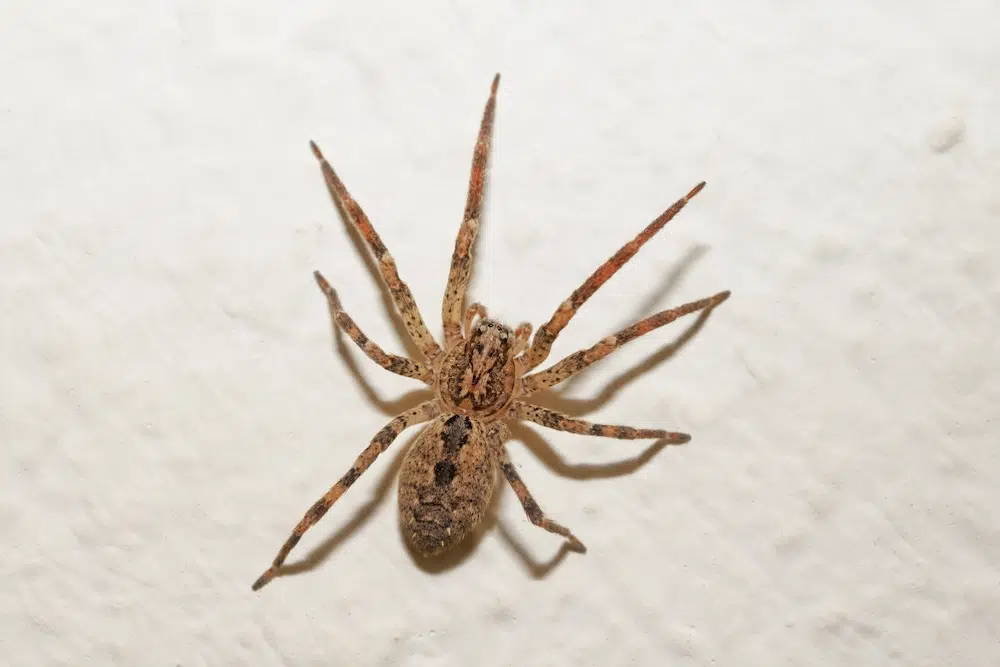
Hobo Spiders
Hobo spiders in Northwestern U.S.; bites now considered mostly harmless.

Parson Spider
Parson spiders inhabit the U.S.; bites rarely cause serious harm or allergies.
Wolf Spiders
Wolf Spider bites cause a moderate amount of temporary pain and pose no medical threat.
Yellow Sac Spiders
Yellow Sac spiders are widespread U.S. hunters; bites painful but rarely serious.
Common House
This small spider can be found in homes around the US. Bites are rare and not medically significant.
Tarantulas
Tarantulas across U.S. states rarely bite; their hairs can cause mild skin irritation.
Southern House
Southern House Spider bites are mild, causing temporary swelling and redness.
Always on Time
Very professional and knowledgeable about all insects and rodents! The tech is always on time and very friendly. At my last 2 residences our landlord has picked up the bill for the service. But, when that day comes that I have to pay for it I will know who to call.

Black Widows Everywhere!
I was sweeping down cobwebs on the outside of my new house when I noticed a lot of black widows. Brezden was recommended by my realtor and my new neighbor. When I called they were very nice and accommodating.