


Earwigs
Earwigs
Latin: Order Dermapertera
Common locations:
Shaded Garden areas and moist soil. In come cases Kitchens, Bathrooms and Laundry Spaces


What are Earwigs?
Earwigs are common garden pests that damage seedlings, flowers, soft fruits, and corn silks. Despite causing harm, they also help by preying on aphids. When infestations grow, they can severely impact plants. To control them, remove moist, dark hiding spots they prefer. The most common species in California is the European earwig, while the striped earwig is less harmful to plants.
How do I identify Earwigs?
Adult earwigs have forcep-like tail pincers that aren’t poisonous. They’re reddish-brown, 5–25mm long. Males’ pincers curve, females’ are straight. Young earwigs are smaller, wingless, and adults rarely fly.
Earwigs stay hidden in cool, moist spots by day and are active at night. Females lay eggs in soil cells and care for nymphs. They prefer outdoor damp areas and rarely survive indoors.

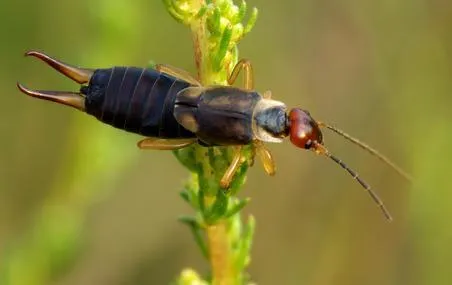
Why should I be concerned about earwigs?
Earwigs are common in young gardens with tender plants, feeding on shoots, soft fruits, sweet corn, and decaying vegetation. Some species also eat aphids and insect eggs. Established yards with mature plants rarely face issues. Signs of earwigs include damaged seedlings, chewed leaves, or irregular holes similar to caterpillar damage. They may also target strawberries, zinnias, marigolds, and dahlias. Earwigs sometimes enter homes seeking food or moisture, often showing up in kitchens, bathrooms, or laundry areas when outdoor conditions change.
How can I get rid of Earwigs?
Vacuum or sweep up earwigs, then kill and dispose of them. Seal cracks, remove debris, trim branches, and reduce moisture. Improve drainage, ventilate crawl spaces, and use yellow or sodium vapor lights to deter earwigs.
Ignoring pests won’t help. Brezden Pest Control provides educational articles online monthly to keep San Luis Obispo customers informed.


Earwigs are often mistaken for silverfish.
They both are nocturnal and have a preference for moisture but they have different lifestyle habits that can differentiate them. Earwigs have two appendages where Silverfish will have three. Silverfish also have an outer coating of scales and a softer body than earwigs.
Silverfish are common in basements and attics in the home where earwigs prefer moist soil. They primarily feed on sources of carbohydrates and protein like paper, fabric or food crumbs. Silverfish also lack wings and cannot fly.