Bed Bugs
Bed Bugs
Latin: Cimex lectularius
Common Locations:
Beds(between mattresses), seams in bed linens, upholstery, behind wood trim, inside electrical boxes, in floors, behind wallpaper

What Are Bed Bugs?
Bed bugs are nocturnal bloodsuckers that primarily feed on humans but also birds, mice, and pets. Introduced from Europe in the 17th century, females can lay over 500 eggs and molt five times, requiring blood meals. Limited meals slow their growth. Bites cause swelling or redness without wounds. Populations can grow rapidly, reaching over 13,000 within months, leading to severe infestations if untreated.
How can I identify Bed Bugs?
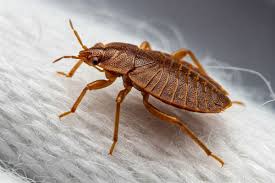
Adult bed bugs are small, flat, oval, and brown to reddish-brown, about 4–5 mm long. They move slowly, may have short golden hairs, and emit a sweet, unpleasant odor.
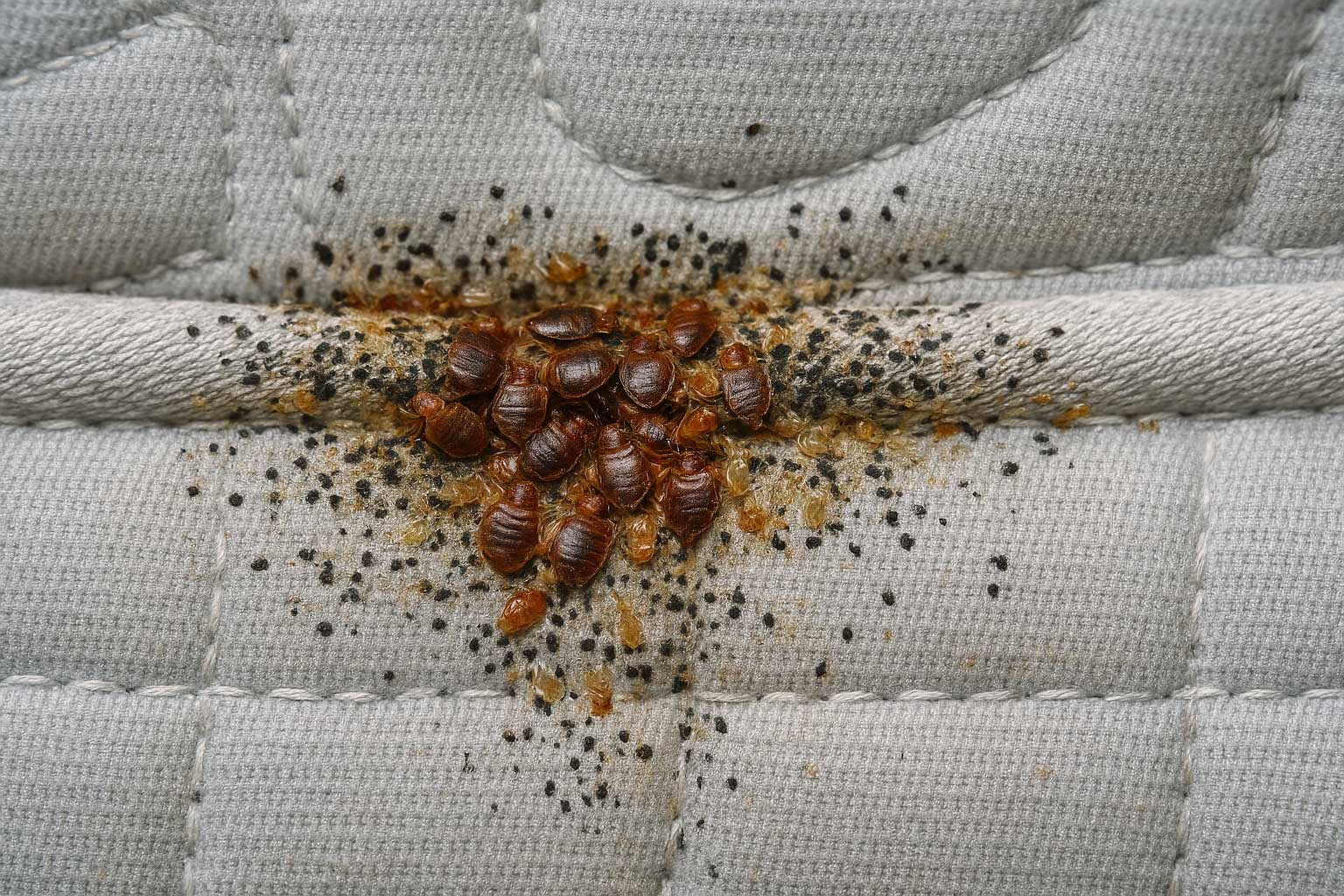
Commonly, the first sign of bed bug infestation is the appearance of small brownish or reddish dots on bed linens. These are fecal spots or droppings on the surface of linens from these bugs. Occupants may also notice swelling where they have been bitten.
How do I know if I have Bed Bugs?
Bed bugs crawl into tiny crevices near humans, attracted to carbon dioxide. Common hiding spots include mattresses, seams, upholstery, wood trim, electrical boxes, floors, and wallpaper near a blood source.
Bed bugs travel at night for blood meals and can spread via luggage, boxes, or shoes. Infestations aren’t due to uncleanliness; even hotels report them due to increased human mobility.
How can I get rid of Bed Bugs?
Commonly home remedies and over-the-counter prove to be ineffective. It is important to call for an inspection if you think you have bed bugs.
The first step of control is to have a professional thoroughly inspect the area. This inspection is required to determine the places where the bed bugs are living. Once the inspection is complete, the pest control professional will determine the proper type of control technique, then treat the area and most likely return for a follow up inspection.