Earwig Control
Earwig Control
Earwigs are the most readily recognized insect pests in home gardens. They are known to damage seedling vegetables, annual flowers, maturing soft fruit and corn silks. Although they do cause some problems, they are known to also play a beneficial role in the landscape and are important predators to aphids.
Species:
The most common earwigs in California gardens are the European Earwig and Striped Earwig, attracted to light, with a strong odor if crushed, but not plant-damaging.
Life Cycle:
Earwigs are nocturnal, hiding in cool, moist areas during the day. Females lay eggs in soil cells, feed nymphs, produce one or two broods yearly, and hibernate in winter.
Locations:
Earwigs are mostly found out of doors but they could be inside when it is hot and dry outside. They do not pose a health hazard but will die because there is not enough for them to eat indoors.
Management:
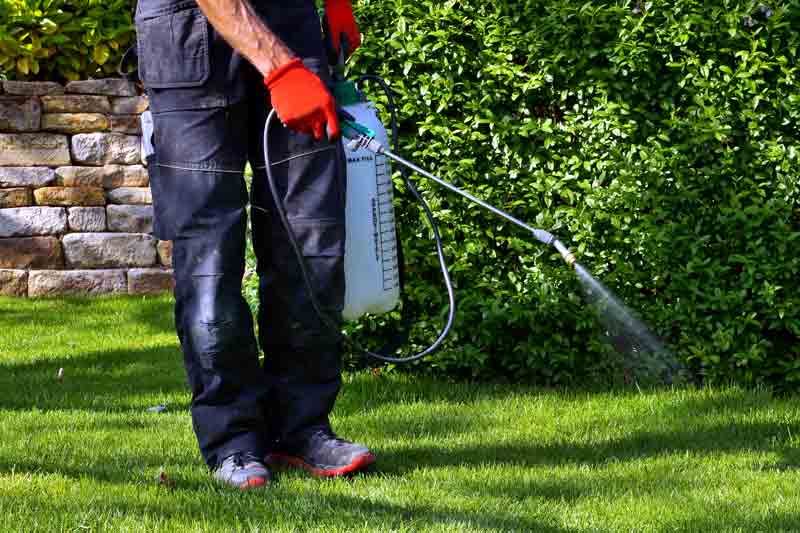
Earwigs can be removed by vacuuming or sweeping. Prevent infestations by sealing entry points, removing debris, controlling moisture, and replacing lights with yellow or sodium vapor bulbs.
Identification:
Adult earwigs are reddish-brown, about half an inch long, with forceps-like tail appendages. Immatures are smaller, wingless, and most species have hidden wings but rarely fly.
Damage:
European earwigs feed on insects, mites, plant shoots, soft fruit, and sweet corn, including aphids and eggs; they are rarely problematic in landscaped lawns.
Identification of Damage:
Earwig damage includes chewed leaves, stems, corn silks, and fruit tree foliage. Strawberries and flowers like Zinnias, Marigolds, and Dahlias may also be affected.
Always on Time
Very professional and knowledgeable about all insects and rodents! The tech is always on time and very friendly. At my last 2 residences our landlord has picked up the bill for the service. But, when that day comes that I have to pay for it I will know who to call.

Exceptional Service for Removing Earwigs
I am very pleased with the professional and courteous service. Ryan is exceptional and sensitive in removing earwigs. Very kind and goes beyond the call of duty. Excellent Service.