Bed Bug Control
Bed Bug Control
The bed bug has a famous history as a bloodsucker and is named due to its tendency to feed on a bed’s occupants at night. The bed bug primarily attacks humans but can feed on any warm blooded animal such as birds, mice, and pets. The bed bug is found worldwide and probably came to the US from Europe in the 17th century.
Identification
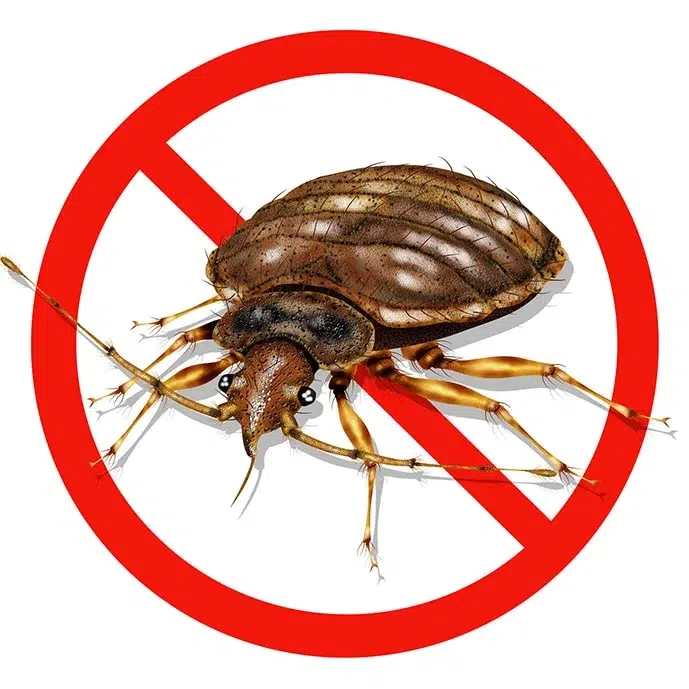
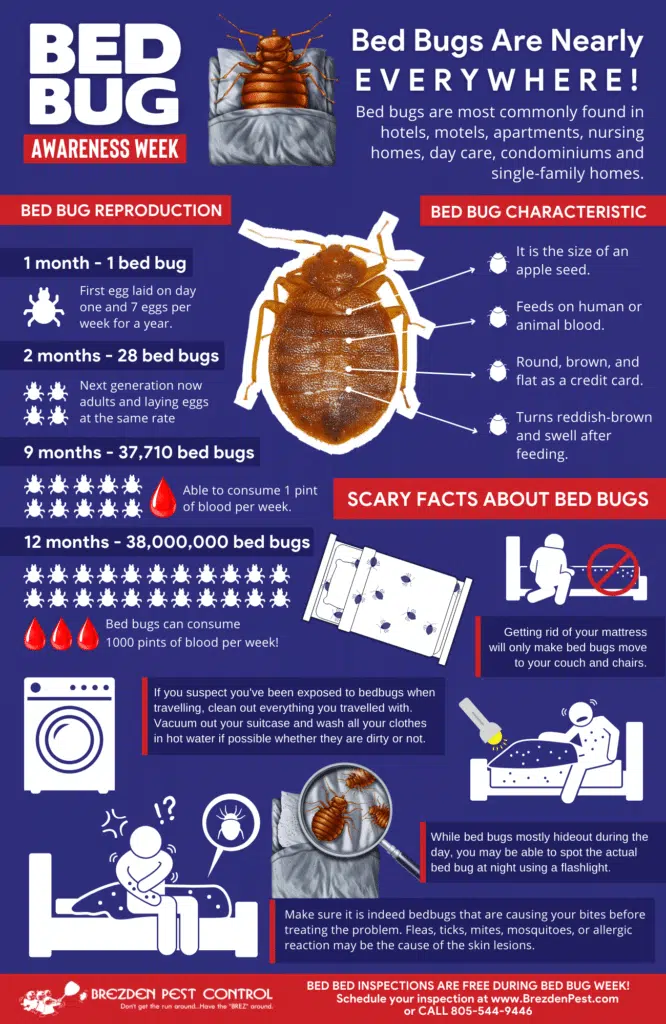
Adults are just under a 1/4″ long and are relatively flat, nearly as wide as long, and oval in shape compared to most other insects. The color is brown to reddish brown. The body may have short golden hairs and will exude a “sickening sweet” smell from glands on its body. There are many types of bed bugs and related insects.
Reproduction and Biting
Female bed bugs can lay over 500 eggs in their lifetime. They molt five times, needing a blood meal each time. When food is scarce, they enter dormancy. Their bites cause swelling or redness in sensitive individuals but usually leave no visible wound.

Habits
Bed bugs hide in tiny spaces like mattress seams, furniture, wallpaper, or electrical boxes. They travel at night for blood meals and can spread via luggage or boxes. Infestations don’t indicate poor hygiene— even luxury hotels experience them. Signs include reddish-brown spots on bedding and swollen bite marks.
Control
The first step of control is to have a professional thoroughly inspect the area. This inspection is required to determine the places where the bed bugs are living. Once the inspection is complete, the pest control professional will determine the proper type of control technique, then treat the area and most likely return for a follow up inspection.



Always on Time
Very professional and knowledgeable about all insects and rodents! The tech is always on time and very friendly. At my last 2 residences our landlord has picked up the bill for the service. But, when that day comes that I have to pay for it I will know who to call.

Bed Bugs Removal Done Efficiently
I have used Brezden Pest Control before for bed bugs control. James was efficient, polite and professional. Great customer service!